Martha Rodriguez Scholarship Fund
For Graduate Nursing Students Who Are Latinx, or Dedicated to Oncology Care or Women’s Health
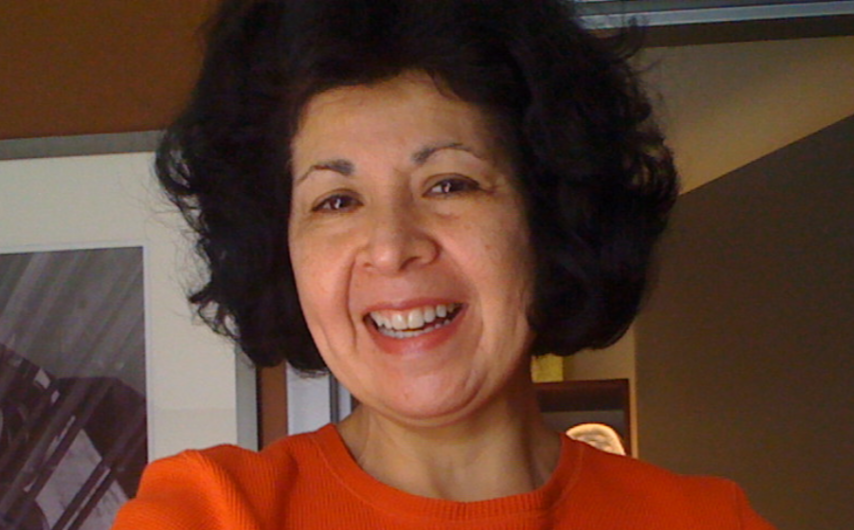
This scholarship was initiated in 2025 by Lisa Ackerman, a close friend of Martha Rodriguez, who died as the result of traumatic head injuries from a tragic accident just outside her New York City apartment. Raised in Gary, Indiana, Martha became a tried-and-true New Yorker, giving in life as a nurse helping patients navigate the trauma of breast cancer at Memorial Sloan Kettering Cancer Center (MSK). In her death, she was lauded by the President of the LiveOnNY organ procurement organization for her last selfless act of giving: donating her organs to help three people lead healthier lives.
Martha’s zest for life was contagious, and her dedication, compassion, and expertise left an indelible mark on the lives of countless MSK patients and caregivers. She was a friend and mentor to many. She loved being a nurse at MSK and worked for more than 28 years as a nurse practitioner and, for the last 15 years of her life, cared specifically for breast cancer patients.
This scholarship is awarded to nurses studying in master's or doctoral nursing programs who are Latinx, or dedicated to oncology care or women’s health.
Featured Martha Rodriguez Memorial Scholarship Fund Recipients
This scholarship was first awarded in 2026:
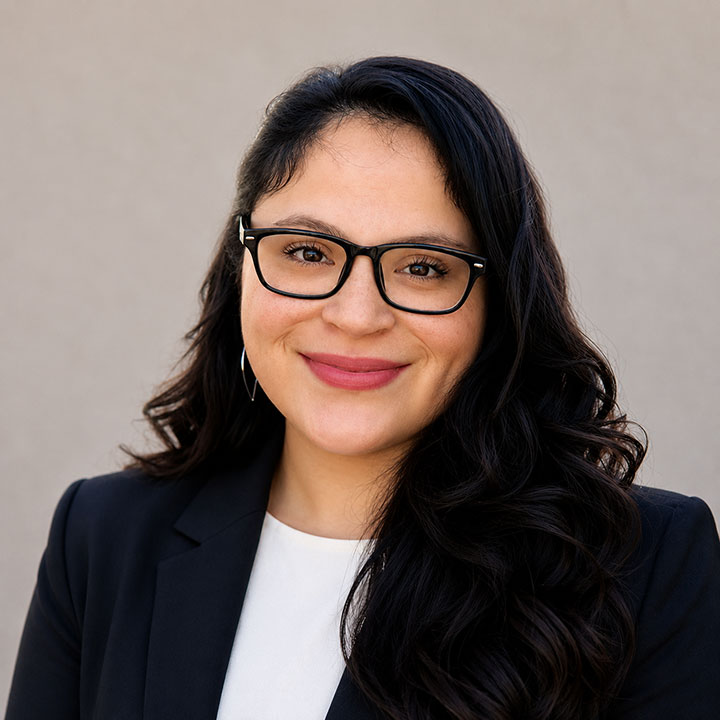
Kiara Nuñez, BSN, RN
- Is pursuing her Master’s degree in Psychiatric-Mental Health Nursing at the Hunter-Bellevue School of Nursing, where she is a Cabrini-Hunter Fellow and earned a certificate in Interprofessional Education Collaborative
- Has dedicated her skills to the Adult Day Health Care program at Housing Works, serving vulnerable populations navigating HIV, substance use disorders, complex medical issues, and various social inequities
- Received the prestigious DAISY Award for Extraordinary Nurses
- Was promoted to Nurse Manager, and collaboratively leads a vibrant, multidisciplinary team of nurses, clinical social workers, nutritionists, and support staff, ensuring that patient needs are met holistically rather than in clinical silos